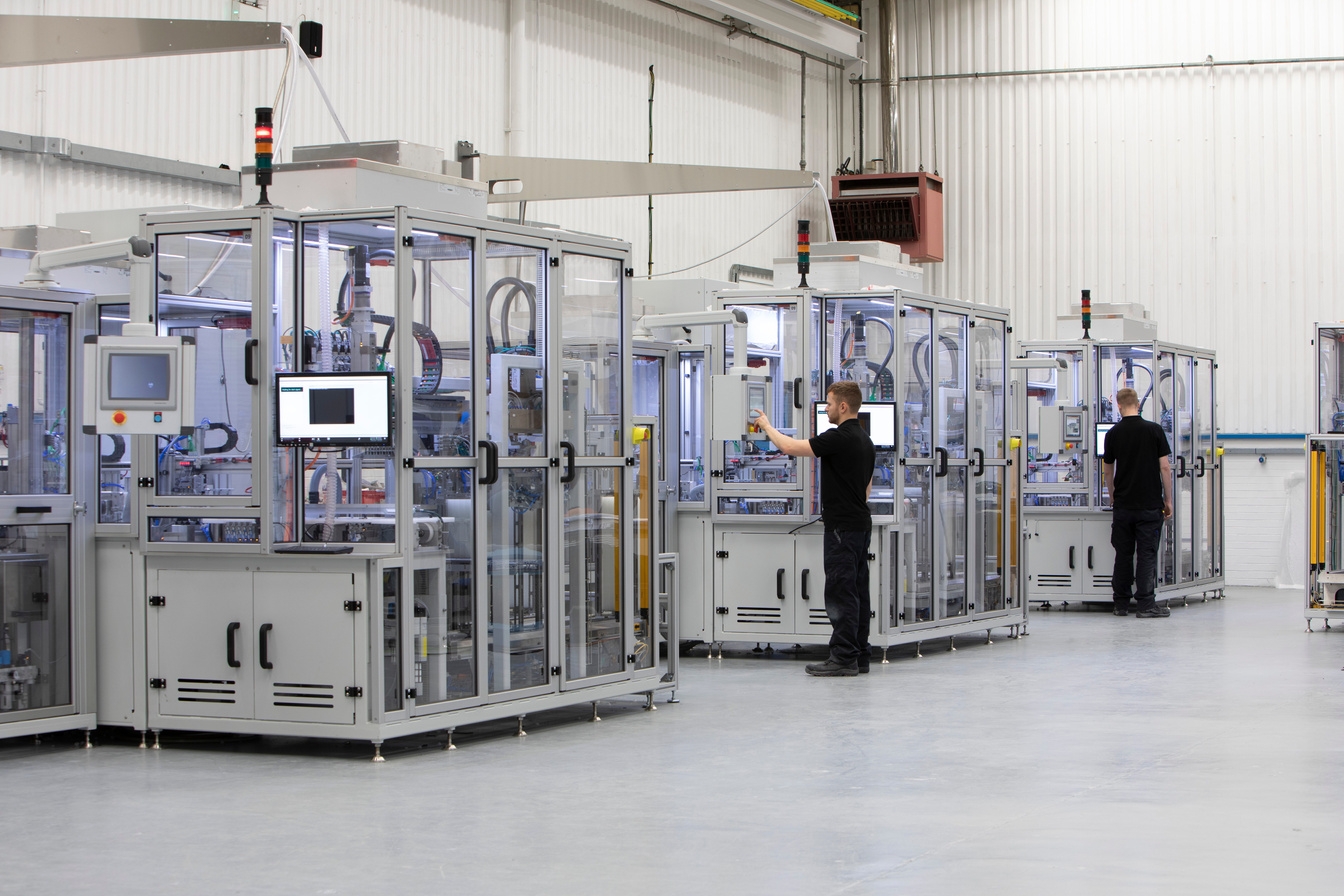
The packaging industry is undergoing a major transformation. Automation, artificial intelligence (AI), robotics, and smart manufacturing technologies are changing how packaging lines operate. Modern packaging machines are faster, more intelligent, and increasingly connected, requiring operators to develop new skills beyond traditional machine handling.
Today’s packaging machine operator is no longer responsible only for starting and stopping equipment. Operators are becoming technology-driven professionals who monitor machine performance, interpret production data, troubleshoot issues, and optimize efficiency across automated packaging lines.
As Industry 4.0 continues to reshape manufacturing, developing the right workforce will be just as important as investing in advanced packaging machinery.
The Changing Role of Packaging Machine Operators
In traditional manufacturing environments, operators focused mainly on manual machine setup and routine production tasks. Modern packaging facilities, however, rely on integrated systems that combine automation, digital controls, robotics, and real-time monitoring.
Operators now play a much broader role by supervising automated processes, ensuring production quality, responding to system alerts, and supporting continuous improvement initiatives. Their ability to work with advanced technologies directly influences production efficiency and machine performance.
Digital Literacy Is Becoming Essential
Modern packaging machines feature touchscreen Human Machine Interfaces (HMIs), programmable logic controllers (PLCs), and digital dashboards that provide real-time production information.
Future operators must be comfortable navigating digital interfaces, accessing machine settings, interpreting production data, and understanding machine diagnostics. Basic computer skills are becoming just as important as mechanical knowledge in today’s packaging environment.
Understanding Automation Systems
Automation has become a standard feature in modern packaging plants. Operators need to understand how automated conveyors, filling systems, sealing machines, robotic palletizers, and inspection systems work together as an integrated production line.
Rather than operating individual machines independently, future operators will manage complete packaging systems while ensuring smooth product flow and machine synchronization.
Data Interpretation and Decision Making
Smart packaging lines continuously generate valuable operational data. Machine performance, downtime, reject rates, energy consumption, and production output can all be monitored in real time.
Operators who can interpret this information will be better equipped to identify production inefficiencies, recognize early warning signs, and make informed operational decisions before problems escalate.
Data-driven decision making is becoming a critical skill in modern manufacturing.
Basic Troubleshooting Skills
As packaging equipment becomes more sophisticated, operators must develop stronger troubleshooting abilities.
Instead of waiting for maintenance personnel to address every issue, operators should be capable of identifying common faults, responding to machine alarms, checking sensors, resolving minor production interruptions, and restarting equipment safely.
Early problem identification helps reduce downtime and improves overall equipment effectiveness.
Working Alongside Robotics
Collaborative robots and automated handling systems are becoming increasingly common across packaging operations.
Rather than replacing operators, robots are changing the nature of their work. Operators will need to understand robotic workflows, monitor robotic performance, and safely interact with automated systems while maintaining efficient production.
Knowledge of robotic safety procedures will become increasingly important.
Quality Control Using Smart Technologies
Packaging quality is no longer based solely on manual inspection.
Modern production lines use vision systems, sensors, barcode verification, and automated inspection equipment to detect packaging defects.
Future operators should understand how these technologies function, interpret inspection results, and respond appropriately when quality issues occur.
Technology-assisted quality control improves consistency while reducing product waste.
Adaptability and Continuous Learning
Packaging technology continues to evolve rapidly. New machinery, software updates, packaging materials, and automation solutions are introduced regularly.
Operators who embrace continuous learning will adapt more easily to technological advancements and remain valuable contributors to manufacturing operations.
Training should become an ongoing process rather than a one-time event.
Communication and Team Collaboration
Packaging operations involve production teams, maintenance engineers, quality inspectors, supervisors, and automation specialists working together.
Future operators must communicate effectively across departments to resolve production issues, coordinate maintenance activities, and support continuous improvement initiatives.
Strong teamwork contributes directly to higher production efficiency and faster problem resolution.
Safety Awareness in Automated Facilities
Advanced packaging machinery operates at higher speeds and incorporates more automated equipment than ever before.
Operators must understand machine safety systems, lockout and tagout procedures, emergency stop protocols, and safe interaction with robotic equipment.
A strong safety culture protects both employees and production operations.
Preventive Maintenance Knowledge
Operators are often the first to notice changes in machine performance.
Basic knowledge of preventive maintenance helps operators identify unusual noises, excessive vibration, component wear, and performance deviations before they develop into costly failures.
Working closely with maintenance teams helps improve equipment reliability and extend machine lifespan.
Customer and Product Awareness
Future operators should also understand how packaging quality affects customer satisfaction.
Accurate filling, secure sealing, proper labeling, and attractive packaging all contribute to the customer experience.
Recognizing the importance of packaging quality encourages operators to maintain high production standards throughout every shift.
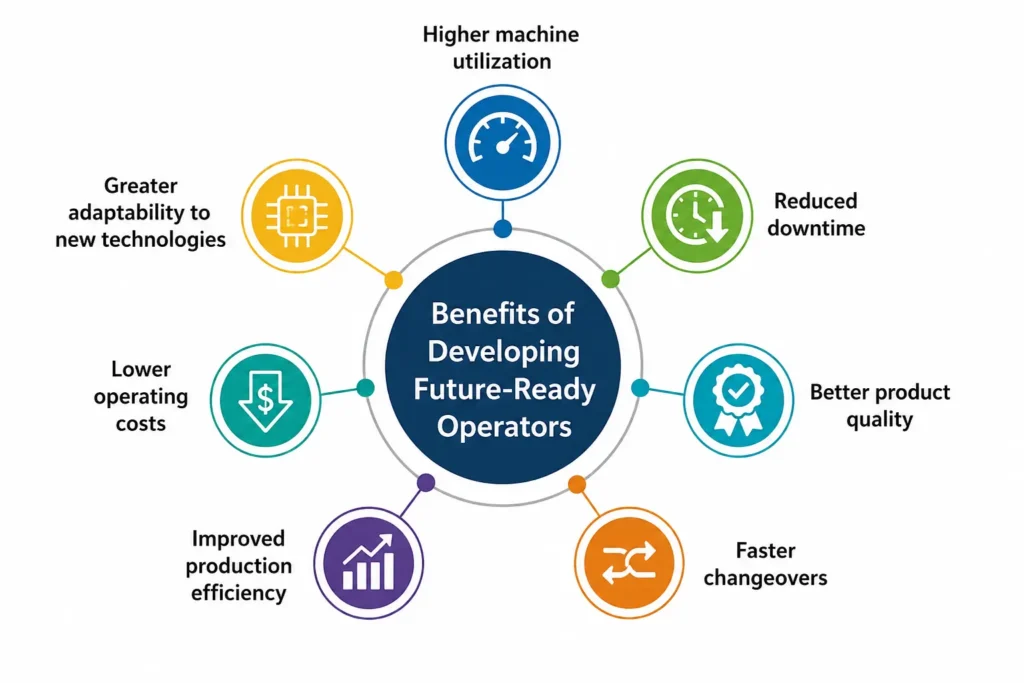
Benefits of Developing Future-Ready Operators