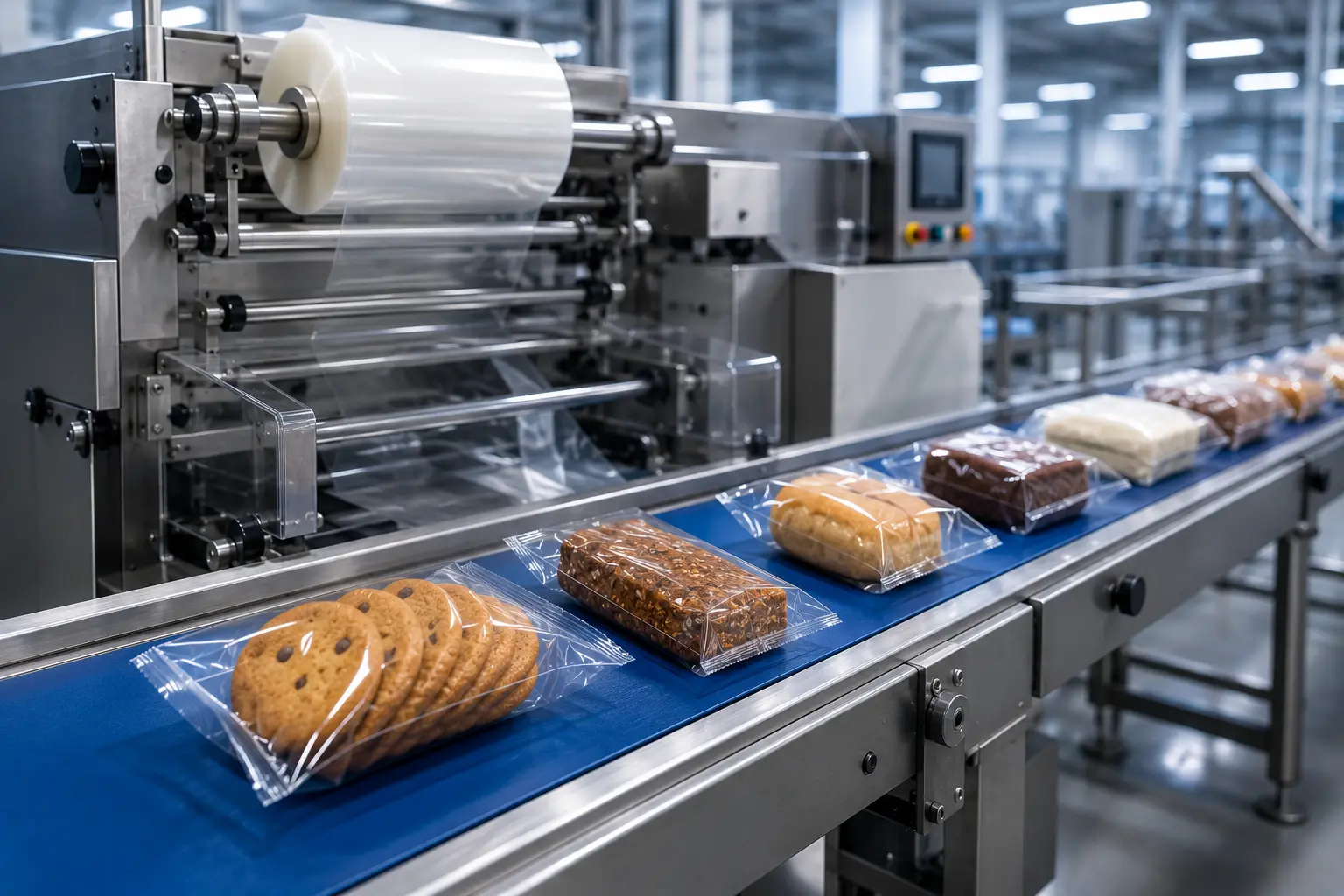
In today’s competitive marketplace, packaging plays a much bigger role than simply containing a product. It protects goods throughout the supply chain, influences purchasing decisions, and helps brands stand out on crowded retail shelves. As manufacturers look for packaging solutions that combine efficiency with visual appeal, flow wrapping has become one of the most widely used packaging methods across industries.
From food products and pharmaceuticals to personal care items and consumer goods, flow wrapping offers a reliable way to protect products while enhancing their presentation. Its ability to combine speed, consistency, and attractive packaging makes it a valuable solution for modern manufacturing operations.
What Is Flow Wrapping?
Flow wrapping is a horizontal packaging process in which a product is placed on a conveyor and wrapped in a continuous roll of packaging film. The film is formed around the product, sealed along the length and ends, and then cut into individual packages.
This process creates a tightly sealed package that protects the product while maintaining an attractive appearance.
Flow wrapping is commonly used for:
- Biscuits and baked goods
- Chocolates and confectionery
- Medical devices
- Personal care products
- Household goods
- Consumer packaged products
Its versatility makes it suitable for a wide range of industries and product types.
Why Product Protection Matters
Products often travel long distances before reaching consumers. During transportation, storage, and handling, they may be exposed to moisture, dust, contamination, and physical damage.
Poor packaging can result in product spoilage, reduced shelf life, damaged goods, customer complaints and increased returns and waste.
Flow wrapping helps minimize these risks by creating a secure protective barrier around the product.
How Flow Wrapping Improves Product Protection
Creates a Reliable Protective Barrier
One of the biggest advantages of flow wrapping is its ability to provide consistent product protection. The sealed film acts as a barrier against external contaminants such as dust, moisture, and dirt.
This is particularly important for food, pharmaceutical, and healthcare products where hygiene and product integrity are critical.
Extends Shelf Life
Many flow wrapping materials offer excellent barrier properties that help preserve freshness. By reducing exposure to air and moisture, products can maintain their quality for longer periods.
This helps manufacturers reduce spoilage and improve product longevity during distribution and retail storage.
Reduces Product Damage
Flow wrapped products are securely enclosed, reducing movement during transport and handling. The packaging absorbs minor impacts and helps protect products from scratches, breakage, and deformation.
This is especially valuable for fragile products and premium retail items.
Supports Tamper Evidence
Flow wrapped packages can be designed to show clear signs of tampering. This improves consumer confidence and enhances product security.
For pharmaceutical and food products, tamper-evident packaging is often an important regulatory and quality requirement.
How Flow Wrapping Enhances Shelf Appeal
While protection is essential, packaging must also attract consumers. In retail environments, packaging often serves as the first point of interaction between a product and a potential customer.
Flow wrapping contributes significantly to product presentation.
Clean and Professional Appearance
Flow wrapping creates a neat and uniform package that enhances product presentation. Consistent sealing and precise film application give products a professional and high-quality appearance.
Uniform packaging also strengthens brand perception across product lines.
Excellent Print Quality
Flow wrap films support high-quality printing, allowing manufacturers to display:
- Brand logos
- Product information
- Nutritional details
- Promotional graphics
- Regulatory information
Clear and vibrant packaging designs help products stand out on crowded shelves.
Greater Packaging Flexibility
Flow wrapping supports a wide variety of package sizes and designs. Manufacturers can easily adapt packaging formats for different products, promotional campaigns, or seasonal packaging requirements.
This flexibility allows brands to respond quickly to market demands.
Improved Product Visibility
Transparent or partially transparent films allow consumers to view the product before purchase. This can increase buyer confidence and influence purchasing decisions, especially for food products.
Benefits for Manufacturers
Flow wrapping offers advantages beyond product protection and aesthetics.
High Production Speeds
Modern flow wrap machines operate at high speeds, making them ideal for large-scale manufacturing environments.
This helps businesses meet growing demand while maintaining packaging consistency.
Reduced Packaging Material Usage
Flow wrapping uses packaging film efficiently, reducing excess material consumption. This helps lower packaging costs and supports sustainability initiatives.
Easy Integration with Packaging Lines
Flow wrap machines can be integrated with filling systems, conveyors, inspection equipment, and end-of-line automation systems.
This creates a streamlined packaging process with minimal manual handling.
Consistent Packaging Quality
Automated flow wrapping systems maintain precise sealing and packaging standards throughout production. This improves product consistency and reduces packaging defects.
Industries That Benefit from Flow Wrapping
Food and Beverage
Flow wrapping is widely used for snacks, bakery products, confectionery, and ready-to-eat items because of its ability to preserve freshness and improve shelf presentation.
Pharmaceuticals
Medical products and healthcare items benefit from the hygiene, protection, and tamper-evident features provided by flow wrapping.
Personal Care and Consumer Goods
Products such as soaps, wipes, and household items use flow wrapping to improve presentation and product protection.
Industrial Products
Small industrial components and hardware products can also be securely packaged using flow wrapping systems.
Future of Flow Wrapping Technology
Flow wrapping technology continues to evolve with advancements in automation and sustainability.
Modern systems now feature:
- Smart controls and digital monitoring
- Faster changeovers between product sizes
- Improved film utilization
- Integration with robotic systems
- Compatibility with recyclable packaging materials
These developments help manufacturers improve efficiency while meeting changing consumer and environmental expectations.
Final Thoughts
Flow wrapping offers an ideal balance between product protection and visual appeal. By creating secure, attractive, and consistent packaging, it helps manufacturers protect their products while strengthening brand presence on retail shelves.
For businesses looking to improve packaging performance, reduce waste, and enhance product presentation, flow wrapping remains one of the most effective and versatile packaging solutions available today.