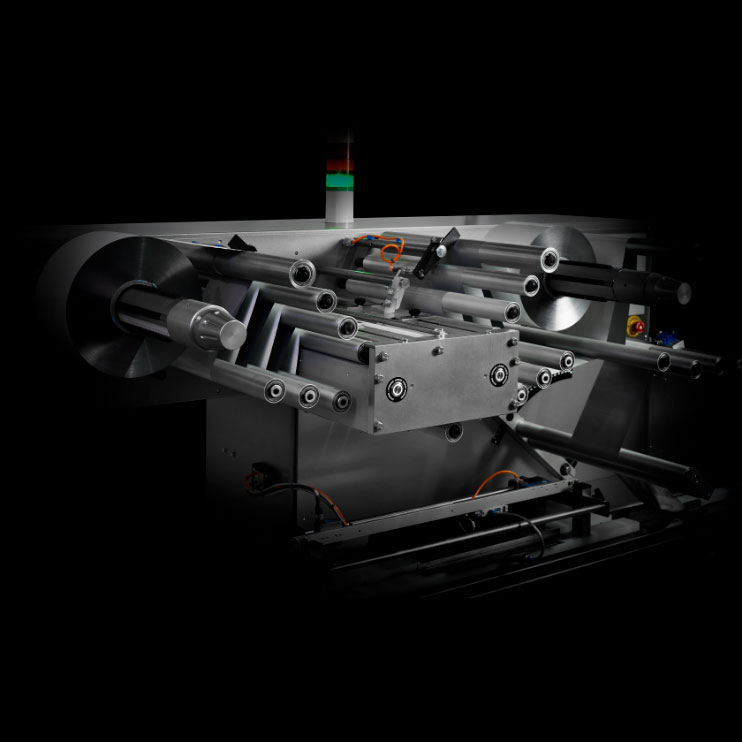
In today’s fast evolving manufacturing landscape, packaging efficiency is directly linked to business performance. While many companies consider replacing outdated machines, a growing number are choosing a smarter alternative, retrofitting. Retrofitting old packaging machines with modern technology allows businesses to upgrade performance without the cost and disruption of complete replacement.
For manufacturers across FMCG, food, pharmaceuticals, and industrial sectors, retrofitting offers a practical way to improve productivity, reduce downtime, and extend the life of existing equipment.
What Is Retrofitting in Packaging Machinery
Retrofitting refers to upgrading existing packaging machines by integrating modern components, technologies, and control systems. Instead of replacing the entire machine, critical parts are enhanced to improve performance and efficiency.
This can include upgrades such as:
- Replacing outdated control panels with digital interfaces
- Installing servo motors for better precision
- Adding sensors and automation systems
- Improving sealing, filling, or feeding mechanisms
- Integrating machines into automated packaging lines
Retrofitting transforms older machines into smarter, more reliable systems that meet current production demands.
Why Businesses Choose Retrofitting Over Replacement
Cost Efficiency
Buying new packaging machinery requires significant investment. Retrofitting allows companies to upgrade key components at a fraction of the cost while achieving comparable performance improvements.
Minimal Production Disruption
Replacing a machine often requires changes in layout, installation time, and production downtime. Retrofitting can be completed faster and with less disruption to ongoing operations.
Extending Machine Lifespan
Many older machines have strong mechanical structures but outdated technology. Retrofitting enhances these machines, allowing businesses to extend their usable life by several years.
Faster Return on Investment
Since retrofitting requires lower investment, the payback period is shorter. Businesses can quickly see improvements in efficiency and cost savings.
Key Areas Where Retrofitting Adds Value
Upgrading Control Systems
Older machines often rely on manual controls or outdated systems. Modern digital control panels provide better accuracy, easier operation, and faster changeovers.
Touchscreen interfaces allow operators to manage machine settings, monitor performance, and switch between SKUs with minimal effort.
Adding Servo Motors
Servo driven systems offer higher precision and smoother operation compared to traditional mechanical drives. They improve speed control, reduce wear, and enhance packaging accuracy.
Sensor Integration and Automation
Installing sensors enables machines to detect product position, alignment, and flow. This reduces errors and improves consistency.
Automation features also help reduce manual intervention, improving productivity and safety.
Improving Energy Efficiency
Modern components are designed to consume less energy. Retrofitting helps reduce power usage, lowering operational costs and supporting sustainability goals.
Integration with Packaging Lines
Retrofitted machines can be integrated with conveyors, cartonators, and end of line systems. This creates a more streamlined and automated packaging process.
Common Machines That Can Be Retrofitted
Many types of packaging machines are suitable for retrofitting.
- Form fill seal machines
- Flow wrap machines
- Cartonator packing machines
- Filling and sealing machines
- Conveyor systems
- End of line packaging equipment
These machines often benefit from upgraded controls, automation, and improved mechanical components.
Challenges in Retrofitting
While retrofitting offers many benefits, it requires proper planning and expertise.
Compatibility Issues
Older machines may have limitations that affect compatibility with modern components. A detailed technical assessment is necessary before upgrading.
Skilled Integration Required
Retrofitting involves both mechanical and electrical modifications. Working with experienced professionals ensures smooth integration and reliable performance.
Balancing Old and New Systems
Care must be taken to ensure that upgraded components work seamlessly with existing machine parts.
How to Decide if Retrofitting Is Right for You
Before choosing retrofitting, businesses should evaluate:
- Current machine condition and structural strength
- Frequency of breakdowns and maintenance costs
- Production requirements and future growth plans
- Compatibility with automation systems
If the machine is mechanically stable but technologically outdated, retrofitting is often the best solution.
Benefits of Retrofitting for Modern Manufacturing
Retrofitting offers several long term advantages.
- Improved production efficiency
- Reduced downtime and maintenance costs
- Better packaging quality and consistency
- Lower energy consumption
- Enhanced operator control and ease of use
It also allows businesses to adopt smart packaging solutions without investing in completely new systems.
Future of Retrofitting in Packaging
As technology continues to evolve, retrofitting will become more advanced and accessible. Integration with smart monitoring systems, predictive maintenance tools, and data analytics will further enhance machine performance.
Manufacturers are increasingly adopting modular upgrades that allow gradual improvements over time. This approach provides flexibility and reduces financial pressure.
Final Thoughts
Retrofitting old packaging machines is a practical and cost effective strategy for modernizing production lines. Instead of replacing entire systems, businesses can upgrade key components to achieve better performance, efficiency, and reliability.
For companies looking to stay competitive without heavy capital investment, retrofitting offers the perfect balance between cost savings and technological advancement.
If you want, I can also create a comparison blog on retrofitting vs buying new machines or a checklist for evaluating retrofit opportunities.