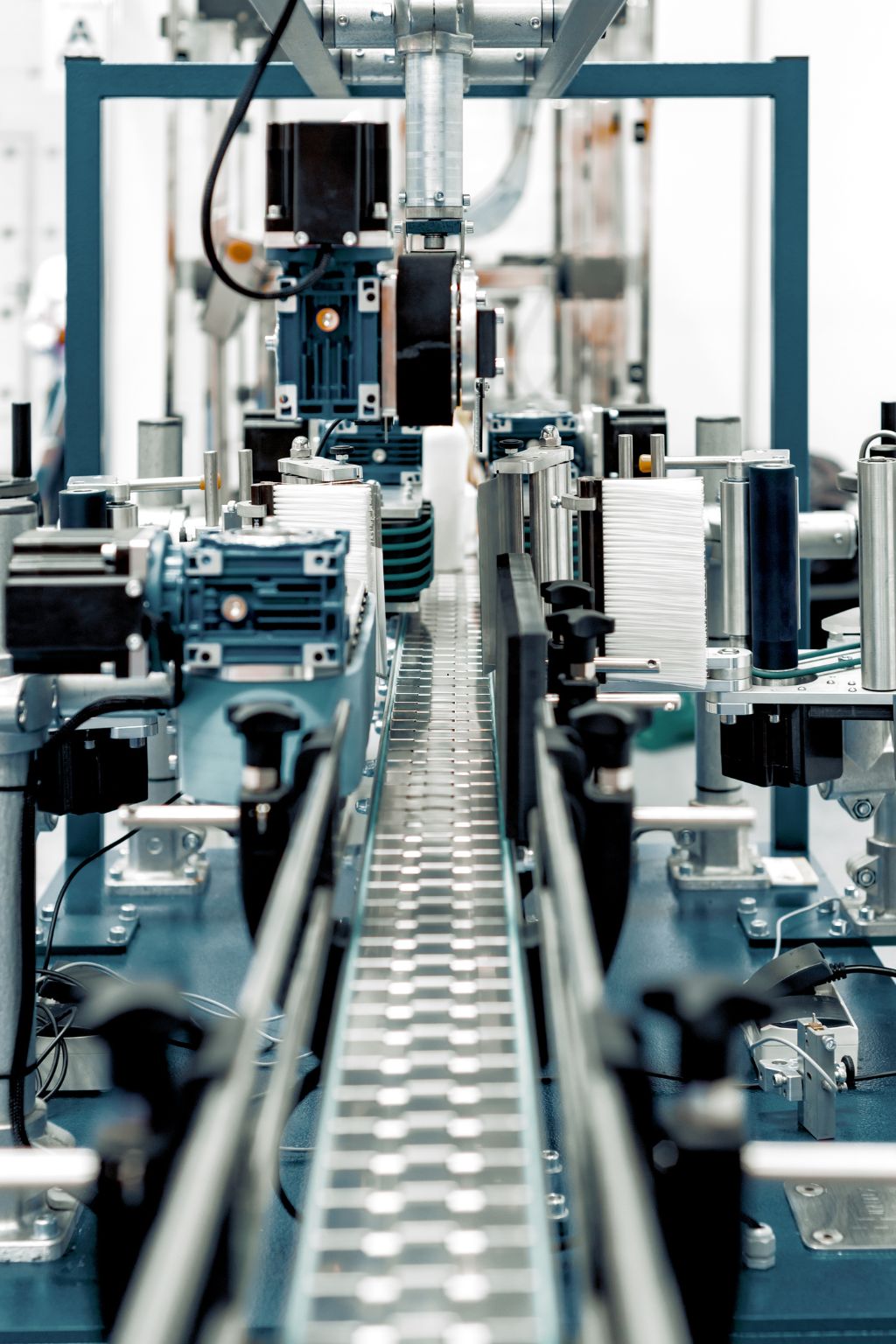
Downtime is one of the most costly challenges in manufacturing and packaging operations. A sudden machine breakdown can halt production, delay shipments, and increase operational expenses. Traditional maintenance strategies often rely on reactive repairs or scheduled servicing, but these approaches do not always prevent unexpected failures.
Predictive maintenance is transforming how packaging plants manage equipment reliability. Instead of waiting for machines to fail, predictive systems analyze machine performance data to detect potential problems early. This allows maintenance teams to address issues before they cause disruptions, keeping packaging lines running smoothly.
As packaging operations become more automated and data driven, predictive maintenance is becoming a critical strategy for reducing downtime and improving overall efficiency.
What Is Predictive Maintenance
Predictive maintenance is a technology driven approach that uses sensors, data analytics, and monitoring systems to evaluate machine health in real time. These systems continuously track parameters such as vibration, temperature, motor load, and cycle performance.
By analyzing this data, the system can identify patterns that indicate wear, imbalance, or potential failure. Maintenance teams receive alerts when equipment conditions deviate from normal performance.
This proactive approach allows companies to perform maintenance only when necessary, rather than following fixed schedules or waiting for breakdowns.
Why Downtime Is So Expensive in Packaging
Packaging lines often consist of multiple machines connected in sequence. When one machine fails, the entire line can stop. Even short interruptions can create significant losses.
Common downtime costs include:
- Production delays
- Labor inefficiencies
- Product waste
- Missed delivery deadlines
- Emergency repair expenses
In high volume industries such as food, pharmaceuticals, and FMCG, downtime can disrupt entire supply chains. Preventing these disruptions is a major priority for plant managers.
How Predictive Maintenance Works
Predictive maintenance systems rely on three main components.
Sensors and Data Collection
Modern packaging machines are equipped with sensors that monitor mechanical and electrical parameters. These sensors track variables such as motor vibrations, pressure levels, machine speed, and component temperature.
The collected data is transmitted to monitoring systems for analysis.
Data Analysis and Pattern Recognition
Software platforms analyze the collected data and compare it with normal operating patterns. If abnormal behavior is detected, the system identifies potential faults.
For example, increased vibration may indicate bearing wear, while rising motor temperature could signal mechanical resistance.
Maintenance Alerts and Action
When the system detects potential issues, it alerts maintenance teams with recommendations. This allows technicians to schedule repairs during planned downtime rather than reacting to sudden failures.
The result is a more controlled and efficient maintenance process.
Packaging Machines That Benefit from Predictive Maintenance
Many packaging machines can benefit from predictive monitoring, including:
- Filling machines
- Form fill seal machines
- Flow wrap machines
- Cartonators and case packers
- Conveyor systems
- Robotic palletizers
These machines operate continuously and experience mechanical stress over time. Monitoring their condition helps extend machine lifespan and prevent unexpected breakdowns.
Benefits of Predictive Maintenance in Packaging
Reduced Downtime
Predictive systems identify issues early, allowing maintenance teams to act before machines fail. This significantly reduces unplanned downtime.
Improved Equipment Lifespan
Monitoring machine health prevents excessive wear and damage. Early intervention protects critical components and extends equipment life.
Lower Maintenance Costs
Traditional maintenance often involves replacing parts based on fixed schedules, even if they are still functioning well. Predictive maintenance ensures parts are replaced only when needed.
Better Production Planning
Knowing when machines require servicing allows plants to schedule maintenance during planned production pauses. This prevents disruption to active production schedules.
Higher Operational Efficiency
Machines operating in optimal condition perform more consistently. This improves packaging speed, quality, and reliability.
Role of Data and Smart Technology
Predictive maintenance is closely linked to smart manufacturing and Industry 4.0. Advanced monitoring platforms integrate machine data with digital dashboards that display real time equipment status.
These systems help plant managers track:
- Machine performance trends
- Maintenance schedules
- Production efficiency
- Potential failure points
With access to real time insights, manufacturers can make informed decisions about equipment maintenance and operational improvements.
Challenges in Implementing Predictive Maintenance
Despite its advantages, predictive maintenance requires proper planning and investment. Some manufacturers hesitate due to concerns about cost or technical complexity.
However, modern monitoring systems are becoming more accessible and easier to integrate with existing machines. Many packaging solution providers now offer predictive maintenance capabilities as part of their automation systems.
Training maintenance teams and adopting data driven practices are important steps toward successful implementation.
Future of Maintenance in Packaging Plants
The future of packaging maintenance will be increasingly automated and intelligent. Artificial intelligence and machine learning technologies will improve predictive accuracy and enable fully automated maintenance alerts.
Digital twins and advanced simulation tools may also help manufacturers test machine performance virtually before issues occur in real production environments.
As these technologies evolve, predictive maintenance will become a standard feature in modern packaging plants.
Final Thoughts
Predictive maintenance is changing the way packaging operations manage machine reliability. By identifying potential issues before they cause failures, manufacturers can reduce downtime, improve efficiency, and protect valuable equipment.
In a competitive manufacturing environment, the ability to keep packaging lines running consistently is a major advantage. Predictive maintenance provides the tools needed to achieve that reliability while supporting long term operational success.