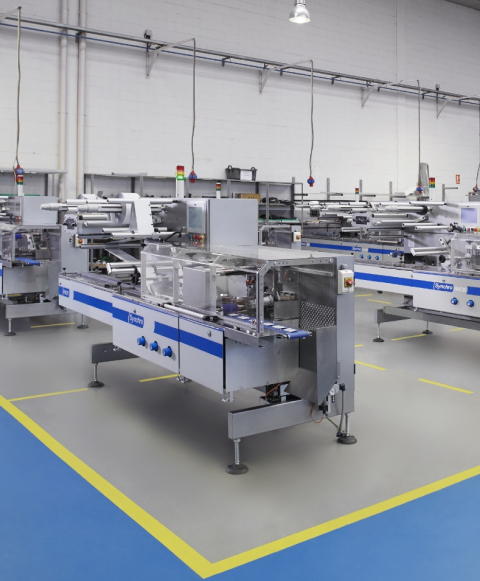
Modern manufacturing demands speed, accuracy, and consistency. As production volumes grow and product lines expand, packaging operations must become more efficient and coordinated. This is where packaging line integration becomes essential. Instead of operating machines separately, integrated packaging lines connect filling, sealing, cartoning, and palletizing into a single synchronized system.
For industries such as food, pharmaceuticals, chemicals, and FMCG, integrated packaging lines improve productivity while reducing downtime and operational complexity. When each machine communicates and operates in harmony, the entire packaging process becomes smoother and more reliable.
What Is Packaging Line Integration
Packaging line integration refers to the process of connecting multiple packaging machines into a unified workflow. Each stage of packaging performs a specific function, but all stages operate together through synchronized controls, conveyors, and automation systems.
A typical integrated packaging line includes:
- Product filling machines
- Sealing or wrapping machines
- Cartoning or case packing machines
- Palletizing systems
These components are connected using conveyor systems and controlled through centralized software that ensures consistent speed and coordination across the line.
Why Integration Matters in Modern Packaging
In traditional packaging setups, machines often operate independently. Operators manually transfer products between stages or adjust speeds individually. This approach creates several problems such as delays, inconsistent output, and frequent bottlenecks.
Line integration solves these issues by creating a continuous flow of products from the beginning to the end of the packaging process. Machines automatically adjust their speed and operations based on upstream and downstream conditions.
This ensures balanced production and minimizes interruptions.
Stage 1: Filling Operations
The packaging process typically begins with filling machines that dispense products into containers, pouches, or packages. These machines must deliver precise quantities to maintain product quality and regulatory compliance.
When filling machines are integrated with the rest of the packaging line, the output rate is automatically matched with downstream machines. If a downstream machine slows down, the filling stage adjusts accordingly to prevent product accumulation or overflow.
Accurate synchronization helps maintain a steady production rhythm.
Stage 2: Sealing and Wrapping
After filling, products move to sealing or wrapping systems that close the package securely. This stage protects products from contamination, leakage, or damage during handling and transportation.
Integrated sealing systems operate at the same speed as filling machines. Sensors and control systems ensure that each package arrives in the correct position before sealing begins.
This reduces misalignment issues and improves packaging quality.
Stage 3: Cartoning and Case Packing
Once products are sealed, they move to cartoning or case packing machines. These machines group products and place them into cartons or boxes for easier handling and shipping.
Integration ensures that cartoning machines receive products at the right pace and orientation. Automated counting and placement systems help maintain consistent carton filling without manual intervention.
Cartoning machines also communicate with upstream systems to prevent product buildup and maintain balanced flow.
Stage 4: Palletizing and End of Line Operations
The final stage of packaging involves stacking cartons onto pallets for storage and transportation. Robotic palletizers or automated palletizing systems arrange cartons in stable patterns.
When palletizing systems are integrated with cartoning machines, the transition between stages becomes seamless. Finished cartons move directly from the packaging line to palletizing without delays.
Automated palletizing also improves worker safety by eliminating heavy lifting and repetitive manual tasks.
Role of Conveyors in Line Integration
Conveyor systems play a critical role in connecting each stage of the packaging process. They transport products smoothly between machines while maintaining proper spacing and alignment.
Advanced conveyor systems include sensors that detect product flow and adjust speeds accordingly. This ensures that machines operate at optimal efficiency without overloading any stage of the line.
Benefits of Integrated Packaging Lines
Improved Production Efficiency
Integrated systems eliminate manual handling between machines. Continuous product flow increases production speed and reduces idle time.
Reduced Bottlenecks
When machines communicate with each other, the system automatically adjusts to prevent congestion. Balanced operations improve overall line performance.
Better Product Quality
Consistent machine coordination reduces packaging errors such as incorrect sealing, misaligned cartons, or damaged products.
Lower Labor Dependency
Automation and integration reduce the need for manual product transfers and adjustments. Workers can focus on monitoring operations rather than performing repetitive tasks.
Real Time Monitoring
Integrated packaging lines often include central control systems that provide live data on production speed, downtime, and machine performance. This allows operators to quickly identify and resolve issues.
Challenges in Line Integration
Despite its advantages, integrating packaging lines requires careful planning. Machines from different manufacturers may have compatibility issues. Production layouts may need redesigning to accommodate conveyor systems and automation equipment.
Working with experienced packaging solution providers helps overcome these challenges. Proper system design ensures that all machines work together effectively.
Future of Integrated Packaging Systems
As manufacturing continues to evolve, integrated packaging systems will become more intelligent and data driven. Smart sensors, predictive maintenance tools, and real time analytics will further improve performance and reduce downtime.
Robotics and automation will also play a larger role in connecting different stages of packaging. This will create highly efficient packaging environments capable of handling complex production demands.
Final Thoughts
Packaging line integration transforms individual machines into a coordinated production system. By connecting filling, sealing, cartoning, and palletizing, manufacturers can achieve faster operations, better quality control, and improved operational efficiency.
For companies looking to scale production and stay competitive, investing in integrated packaging solutions is an important step toward building a smarter and more reliable manufacturing process.