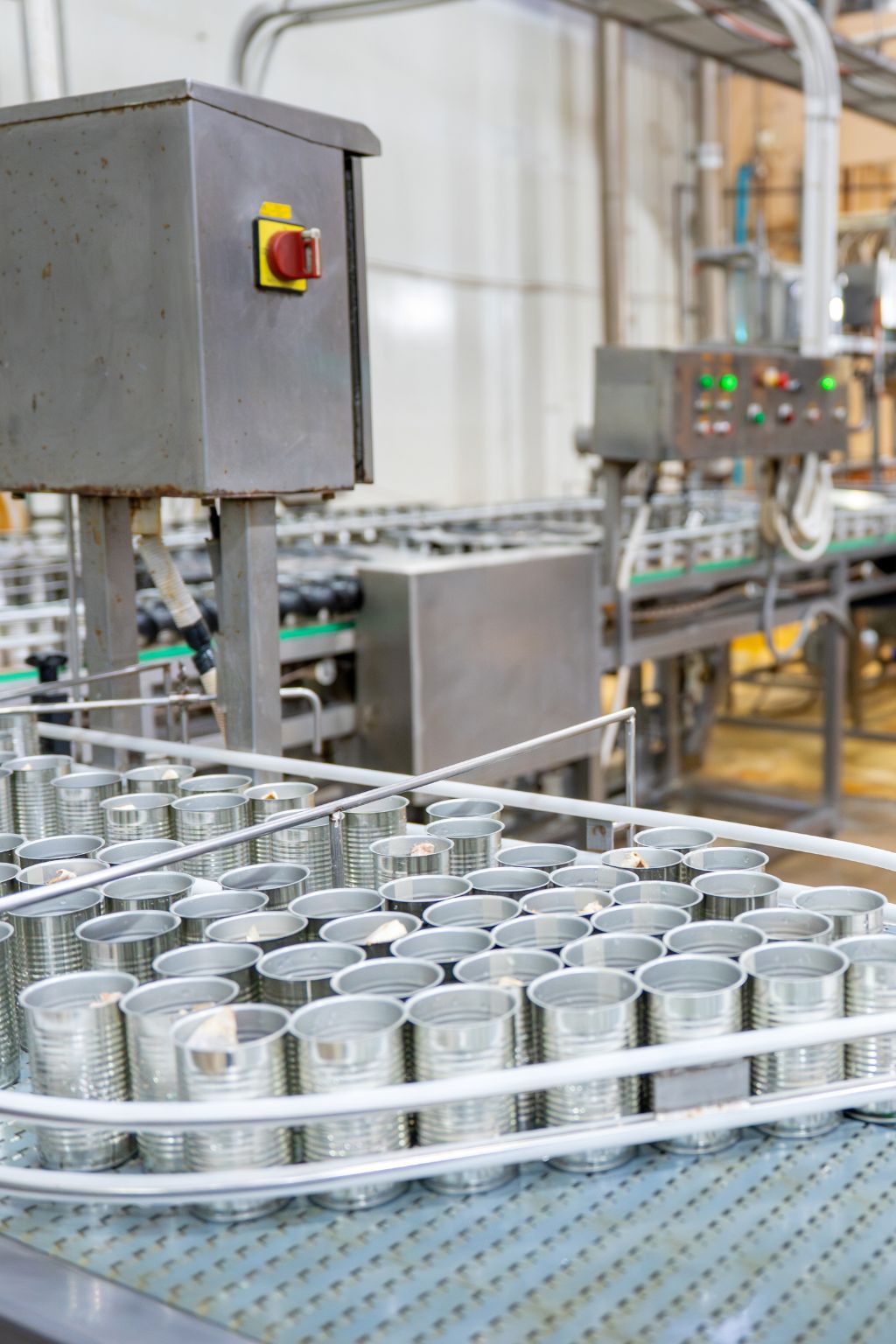
The fast moving consumer goods industry operates at an incredible pace. Brands frequently introduce new products, packaging sizes, and promotional variants to attract customers and stay competitive. While this strategy helps drive sales, it also creates a major challenge for manufacturing plants: managing high SKU variations on packaging lines.
SKU variations refer to differences in product size, packaging format, labeling, or quantity. In FMCG production environments, a single product may exist in multiple pack sizes, flavors, or promotional formats. Managing these variations efficiently requires flexible packaging systems, intelligent planning, and reliable automation.
For manufacturers, the ability to handle high SKU diversity without slowing production is becoming a key competitive advantage.
Why SKU Variations Are Increasing in FMCG
Consumer preferences are constantly evolving. Customers now expect multiple choices in packaging size, product bundles, and special edition packs. Retail channels also influence packaging decisions, as different stores require different packaging formats.
For example, the same product may be sold in:
- Small trial packs
- Family sized packs
- Multi pack bundles
- Promotional combo packs
These variations multiply the number of SKUs manufacturers must manage. As a result, packaging lines must be designed to handle frequent product changeovers without disrupting productivity.
Challenges of High SKU Packaging Operations
Handling multiple SKUs on the same packaging line can create several operational challenges.
Switching between different pack sizes or packaging formats often requires machine adjustments. Traditional machines may require manual setup, which increases downtime.
When multiple SKUs run on the same line, incorrect labeling, packaging mix ups, or incorrect counts can occur. Even small mistakes can lead to product recalls or retailer penalties.
- Production Planning Complexity
Production teams must carefully schedule runs to minimize changeover times while meeting delivery deadlines. Poor planning can lead to inefficiencies and delays.
- Inventory and Material Handling
Different SKUs require different packaging materials such as pouches, cartons, labels, or sleeves. Managing these materials adds another layer of complexity.
Role of Flexible Packaging Machines
Modern packaging machines are designed with flexibility in mind. Instead of being limited to one product format, these machines can handle multiple packaging types with minimal adjustments.
Features that support flexibility include:
- Adjustable machine settings for different pack sizes
- Quick changeover mechanisms
- Digital controls for easy parameter switching
- Modular machine designs
These features allow manufacturers to switch between SKUs quickly without long interruptions in production.
Quick Changeover Technology
Quick changeover is one of the most important capabilities for FMCG packaging lines. Machines designed for rapid adjustments allow operators to change packaging formats within minutes rather than hours.
Quick changeover systems typically include:
- Tool less adjustments
- Digital recipe management
- Automatic alignment systems
Operators can simply select the desired SKU settings from a control panel, and the machine adjusts automatically.
This significantly reduces downtime and increases production flexibility.
Automation for SKU Management
Automation plays a crucial role in managing SKU diversity. Automated packaging lines reduce manual intervention and ensure consistent performance even when multiple SKUs are involved.
Automated systems help with:
- Product orientation and feeding
- Accurate filling and sealing
- Automated cartoning and case packing
- Robotic palletizing
Automation ensures that each SKU is handled precisely according to its packaging requirements.
Smart Labeling and Tracking Systems
Labeling errors are a common issue in high SKU environments. Smart labeling systems help prevent these mistakes by automatically verifying product codes, batch numbers, and packaging formats.
Vision inspection systems and barcode scanners check every pack to ensure the correct label is applied. If an error occurs, the system immediately detects it and removes the faulty pack from the line.
This improves product traceability and prevents costly mistakes.
Efficient Production Planning
Production planning becomes critical when handling multiple SKUs. Plants often group similar SKUs together to minimize changeovers. For example, products using the same packaging material or carton size may be scheduled in sequence.
Digital production planning tools also help coordinate packaging material availability, machine capacity, and workforce allocation.
Well planned schedules ensure that packaging lines run efficiently even with high product diversity.
End of Line Automation for SKU Flexibility
End of line operations such as cartoning, case packing, and palletizing must also adapt to SKU variations. Modern systems use programmable controls that automatically adjust packing patterns based on the product type.
Robotic palletizers can stack different carton sizes without manual reconfiguration. This flexibility ensures that end of line operations keep up with upstream packaging processes.
Benefits of Efficient SKU Management
Manufacturers that successfully manage high SKU variations gain several advantages.
- Faster response to market trends
- Ability to launch new product variants quickly
- Improved production efficiency
- Reduced packaging errors
- Better utilization of packaging equipment
These benefits help FMCG brands stay competitive in fast changing markets.
Future of FMCG Packaging Lines
The future of FMCG packaging will focus on greater flexibility and smarter automation. Machines will become more intelligent, capable of automatically adjusting to different packaging formats with minimal operator input.
Artificial intelligence and advanced analytics will help manufacturers predict production needs, optimize line performance, and reduce changeover times even further.
Plants that adopt flexible packaging systems today will be better prepared for tomorrow’s highly dynamic FMCG market.
Final Thoughts
High SKU variation is now a reality in the FMCG industry. Instead of viewing it as a challenge, manufacturers can treat it as an opportunity to build more flexible and efficient packaging operations.
With the right combination of flexible machines, automation, and smart production planning, FMCG packaging lines can handle multiple product variations without sacrificing speed or accuracy. Businesses that invest in adaptable packaging systems will be better equipped to respond to evolving consumer demands and drive long term growth.