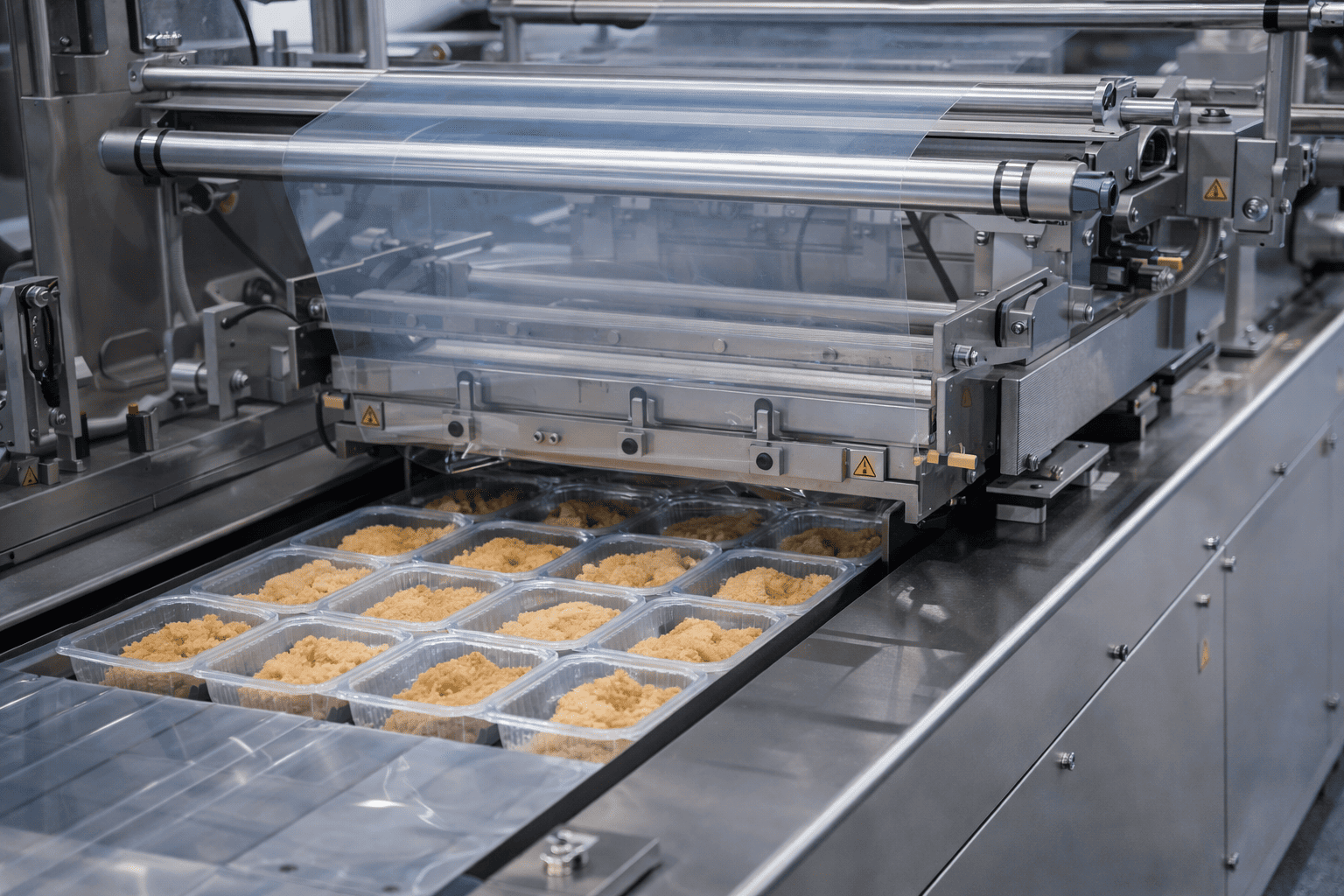
A packaging line is only as efficient as its weakest point. Even with good machines and skilled operators, small issues can slow down production, increase costs and affect delivery timelines. Many manufacturers face recurring packaging bottlenecks that silently reduce output and profitability.
With the growing adoption of automation and smart technologies, packaging solutions in India are evolving to address these challenges. Identifying bottlenecks early and applying the right fixes can help businesses achieve smoother operations and long term growth. This blog explores the most common packaging line bottlenecks and practical ways to resolve them with support from packaging automation companies in India.
Inconsistent Feeding of Products
One of the most common bottlenecks occurs at the product feeding stage. When products are not fed consistently into the machine, it causes frequent stoppages and misalignment. This problem is common in manual or semi automated lines where feeding depends on human speed and accuracy.
How to fix it:
Automated feeding systems and conveyors ensure a steady and controlled flow of products. Sensors can detect gaps or jams and adjust the speed automatically. Many packaging machinery suppliers offer modular feeding solutions that integrate easily with existing lines.
Frequent Machine Downtime
Unexpected breakdowns are a major cause of production delays. Old machines, poor maintenance practices and lack of spare parts lead to frequent stoppages. Downtime not only slows output but also increases labor and repair costs.
How to fix it:
Preventive maintenance is key. Modern machines offered by packaging solutions companies in India include smart monitoring systems that track performance in real time. Predictive maintenance alerts help identify potential failures before they happen, reducing unplanned downtime.
Slow Manual Operations
Manual processes such as loading, sealing or palletizing often become bottlenecks as production volumes increase. Human fatigue, inconsistency and limited speed restrict output and affect packaging quality.
How to fix it:
Automation is the most effective solution. Automated sealing, carton packing and end of line systems reduce dependency on manual labor. Packaging automation companies in India provide scalable solutions that allow businesses to automate step by step based on production needs.
Inaccurate Filling and Sealing
Inconsistent filling levels and weak seals lead to product rejection, rework and customer complaints. This bottleneck is common in machines with outdated controls or worn components.
How to fix it:
Upgrading to machines with precise dosing systems and advanced sealing technology ensures consistency. Smart packaging solutions use sensors and feedback systems to maintain accuracy across every cycle, reducing wastage and improving quality.
Bottlenecks at End of Line Packaging
End of line processes such as case packing, palletizing and stretch wrapping often struggle to keep up with upstream machines. When the end-of-line capacity is lower, finished products pile up and slow the entire line.
How to fix it:
Automated end of line systems balance production flow. Robotic palletizers, automated case packers and stretch wrappers improve speed and stability. Many packaging machinery suppliers design end of line solutions that match upstream output rates.
Poor Line Integration
Packaging lines often consist of machines from different manufacturers. Poor integration between machines leads to mismatched speeds, communication errors and frequent stoppages.
How to fix it:
Integrated automation solutions ensure all machines communicate effectively. Central control systems synchronize operations and optimize line speed. Working with experienced packaging solutions companies in India helps ensure smooth integration from filling to dispatch.
Lack of Real Time Visibility
Without real time data, operators struggle to identify where delays are happening. This results in reactive problem solving instead of proactive improvements.
How to fix it:
Smart packaging solutions include dashboards that provide live performance data. These systems track speed, downtime, rejection rates and efficiency. Real time visibility helps managers make quick decisions and continuously improve operations.
Operator Skill Gaps
Even the best machines cannot perform well without trained operators. Poor handling, incorrect settings and delayed responses contribute to frequent bottlenecks.
How to fix it:
Regular operator training and clear standard operating procedures improve efficiency. Many packaging automation companies in India offer training programs as part of their solution, ensuring operators use machines correctly and confidently.
Material Handling Issues
Packaging materials such as films, cartons or pouches can cause delays if they are inconsistent in quality or improperly stored. Material jams and misfeeds slow down the entire line.
How to fix it:
Using standardized materials and machines compatible with multiple formats reduces issues. Modern machines are designed to handle variations in material thickness and size more effectively.
Long Term Benefits of Fixing Bottlenecks
Removing bottlenecks leads to higher output, lower costs and better product quality. It also improves worker safety and reduces stress on machines and operators. Businesses that invest in automation and smart systems gain better control over production and adapt faster to market demands.
By partnering with reliable packaging machinery suppliers and experienced packaging automation companies in India, manufacturers can design flexible, efficient and future ready packaging lines.
Final Thoughts
Packaging line bottlenecks are common, but they are not unavoidable. Identifying weak points and applying the right technological solutions can transform productivity. From automated feeding to end of line automation and smart monitoring, modern packaging solutions in India offer practical ways to fix delays and improve performance.